A rented flat rarely comes with the workspace you would have chosen. The desk sits where the sofa used to be, every wall is the same shade of magnolia, and your best ideas for fixing it start with a drill you are not allowed to use. The good news is that the most characterful home offices are usually assembled from things that simply sit, lean, clip or stick. None of it needs a landlord's blessing, and none of it should cost you more than a careful peeling session when you leave.
The trick is knowing which fixes come away cleanly, and which ones quietly take a patch of emulsion with them.
Read the ground rules first
Before you buy anything, find your tenancy agreement and check what it says about fixing things to walls. Most contracts ask for written permission, and most landlords say yes to reasonable requests — especially if you offer to make good afterwards. An email that says "yes, go ahead" is worth keeping.
It also helps to understand two phrases you will meet again at the end of the tenancy: fair wear and tear, which covers the slow deterioration of a room through ordinary living, and damage, which is anything beyond that. The difference matters, but it is not always obvious, so if a dispute ever arises, speak to your deposit protection scheme or a housing advice service rather than guessing. Keep dated photos of the room as you found it. They take two minutes and settle a lot of arguments.
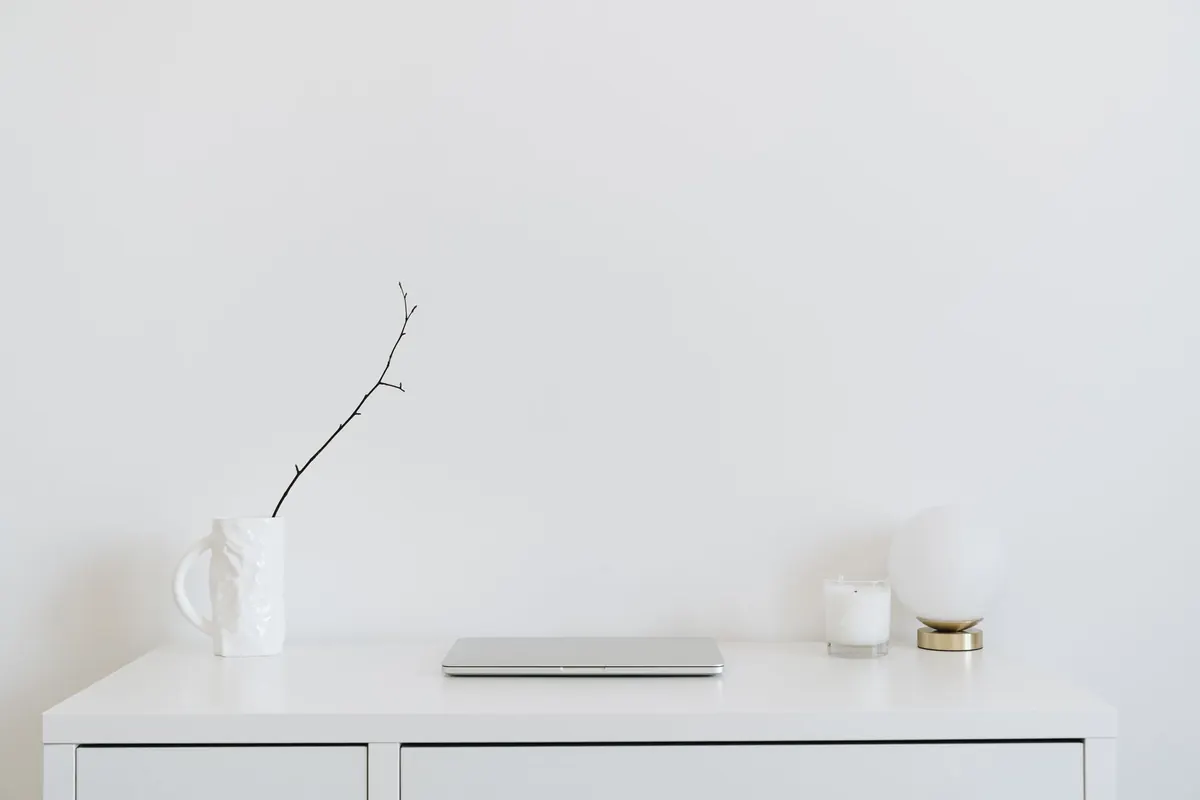
Lighting you can take with you
Lighting is where rented rooms change fastest, because almost everything useful is freestanding or plug-in.
- A floor lamp with an adjustable arm behind or beside the desk, angled over your work surface. It replaces a pendant light you cannot move.
- A rechargeable LED task lamp. No cable trailing across the floor, no socket fight with the kettle. Charge it overnight, use it all day.
- A plug-in wall light with the flex run down the wall inside a self-adhesive cable channel. Looks deliberately installed, comes off in one piece.
- An uplighter in the corner. Bouncing light off the ceiling softens a room that only has one harsh central bulb.
- Clip-on lamps for the edge of a shelf or the top of a monitor riser.
Think about colour temperature as well as brightness. Warm white bulbs (around 2700K) suit the room in the evening; something cooler and brighter over the desk keeps you alert during the day. If you want to light a shelf or a print, use an LED strip held by removable clips rather than adhesive pads — warmth from a radiator or a lamp will soften glue over time and leave a greasy mark.
Art that leans instead of hangs
You do not need a single nail to have a wall that looks considered.
Rest large frames on the floor, leaning back against the wall, and layer two or three at different heights and depths. A low, wide print behind the desk works particularly well, because it fills the space your eye lands on when you look up from the screen. If you would rather keep the floor clear, use a narrow freestanding picture ledge, or stand small frames on top of a bookcase, a filing cabinet or a windowsill.
For anything that genuinely has to go on the wall, removable adhesive strips and hooks are the standard answer — with two caveats. Test one in a hidden spot first, such as behind a wardrobe, and leave it for a few days. And check the weight limit honestly; a heavy frame on a strip rated for a fraction of it will fail, usually at three in the morning.
Clean the wall with a damp cloth and let it dry before you stick anything. Adhesive bonds badly to dust, and badly-bonded adhesive is the kind that takes paint with it.
When you remove strips, pull the tab slowly and downwards, parallel to the wall, rather than straight out. A little gentle warmth from a hairdryer on a low setting helps on stubborn ones. For lighter items — postcards, a mood board, a calendar — low-tack washi tape and removable poster tape do the job and lift off in seconds.
Removable fittings that do the heavy lifting
A small kit of damage-free hardware covers most of what a home office needs:
- Adhesive hooks and clips for headphones, a bag, a charging cable, a lanyard.
- Over-door hooks and rails for coats, a tote bag, a folding step stool.
- Self-adhesive cable trunking and clips to route monitor and lamp cables tidily down a wall or under a desk.
- Felt pads and glides under every leg of every chair, desk and shelf you own.
- A freestanding or ladder shelf for printers, paper and plants, so nothing is stacked on the floor.
- A folding screen if you need to hide a corner or separate work from the rest of the room.
That last point about felt pads deserves its own sentence: nothing damages a rented floor or carpet faster than a chair dragged backwards twice a day. A chair mat helps on carpet, but cheap ones can leave marks of their own, so felt glides are often the safer choice.
Colour and texture without touching the paint
Soft furnishings do more for a rented room than most people expect. A tension rod inside a window reveal takes a proper curtain or Roman blind with no drilling at all. A rug or a carpet offcut pulls the desk area together and protects what is underneath. A throw over the back of the chair, a couple of cushions, a woven basket for cables, one decent plant — these are the things that make a room feel like yours, and every one of them leaves with you.
Removable wallpaper is tempting, and it can work, but it is not risk-free. Some emulsions, particularly freshly painted or low-sheen ones, will lift when it comes off. If you want to try it, put a small patch behind a piece of furniture and leave it for a fortnight before committing to a whole wall. Lining paper and freestanding panels are gentler alternatives.
Five minutes that protect your deposit
Before you hand the keys back, work through this in order:
- Remove adhesive slowly, using gentle warmth and a steady downward pull.
- Wipe away residue with warm soapy water and a soft cloth, then dry the wall. Test anything stronger on a hidden patch first.
- Fill any small holes with a lightweight filler, or use a filler crayon matched to the wall colour.
- Touch up paint if you still have the original tin — landlords often leave one in a cupboard.
- Take fresh dated photos of the clean, empty room.
- If something has gone genuinely wrong, tell your landlord before they find it. An agreed, modest cost is nearly always cheaper than a disputed deduction.
Renting does not mean living in a beige holding pattern. It means choosing furniture that stands on its own, art that leans, and fittings that come away as easily as they went on. Do that, and you can make the room properly yours — and still get your deposit back when you go.
Photo: DeltaWorks / Pixabay